Power Washing and Noise: Being a Good Bayside Neighbour
Pressure cleaning helps keep Melbourne Bayside homes looking their best, removing built-up dirt, algae and grime from driveways, paths and suitable exterior surfaces. However, the sound of a pressure washer can travel beyond your property, particularly where homes sit close together or hard surfaces reflect noise.
Being considerate means more than choosing a convenient time for yourself. It involves understanding Victoria’s residential noise rules, selecting suitable equipment and keeping neighbours informed. Whether you are planning driveway cleaning in Brighton, house washing in Hampton or exterior maintenance in Beaumaris, a little preparation makes the job less disruptive.
Why Pressure Washing Can Be Noisy
A pressure washer produces sound from several sources: the motor or engine, the pump and the water striking the surface. Petrol-powered machines also generate exhaust noise. Even an electric unit can be quite noticeable when its spray hits concrete, metal fencing or other hard materials.
How loud the job sounds next door depends on more than the machine itself. Equipment placement, operating time, surrounding buildings and the distance to neighbouring windows all matter. Narrow side passages can reflect sound between walls, while an open driveway may give noise a clearer path towards nearby homes.
For neighbours, a prolonged cleaning session can be more disruptive than a short burst of louder work. Repeatedly starting and stopping the machine over an entire day can also be frustrating. The aim is to reduce both unnecessary noise and the time people are exposed to it.
Understand Victoria’s Residential Noise Rules
In 2026, Victoria’s residential noise framework includes the Environment Protection Act 2017 and the Environment Protection Regulations 2021. High-pressure water cleaners are among the equipment covered by prescribed residential noise restrictions.
For high-pressure water cleaners used at residential premises, the prescribed prohibited times are generally:

- Monday to Friday: before 7 am and after 8 pm.
- Weekends and public holidays: before 9 am and after 8 pm.
During prohibited times, noise from prescribed equipment must not be audible inside a habitable room of another residence, whether its doors and windows are open or closed. These restrictions are not simply a rule about whether someone can hear the machine from their garden.
Operating outside prohibited hours does not automatically make all noise reasonable. Noise can still be unreasonable depending on factors such as its volume, duration, character, frequency and the circumstances in which it occurs. Starting a lengthy power washing job at the earliest permitted time may comply with the time restriction but still create avoidable disturbance.
Check current guidance with EPA Victoria and Bayside City Council before scheduling work, particularly for unusual circumstances or recurring cleaning. Commercial premises and construction activities can involve different requirements. If your property is outside the City of Bayside boundary, contact the council responsible for that address.
Choose a Neighbour-Friendly Time
For most residential jobs, mid-morning through mid-afternoon is a considerate starting point. It avoids early starts and reduces the likelihood of interrupting evening meals or bedtime routines. On weekends, allowing a buffer beyond the 9 am restriction can make a meaningful difference to nearby households.
There is no universally perfect time. Shift workers, people working from home and families with young children may have different needs. You do not need to negotiate every minute of routine property maintenance, but a brief conversation can reveal an easy adjustment that prevents a complaint.
For larger projects, book enough time to finish comfortably before the evening restriction. Allow for moving furniture, applying suitable cleaning products, managing runoff and packing up. A rushed late-afternoon booking can turn into an unnecessarily noisy evening.
Allow for Bayside weather
Weather affects both cleaning quality and neighbour comfort. Strong coastal winds can carry spray onto adjacent properties and make controlled application more difficult. Very hot conditions can cause cleaning solutions to dry too quickly, while rain may complicate runoff management or make roof access unsafe.
Choose a suitable weather window rather than forcing the work into a booking regardless of conditions. Rescheduling can be the more responsible option when wind, heat or rain makes safe, controlled cleaning difficult.
Let Nearby Neighbours Know What to Expect
A short message before a substantial pressure washing job helps neighbours plan around it. This is especially useful for shared driveways, closely spaced townhouses and properties where the machine will operate near another home’s living areas.
Provide the planned date, approximate start time and expected duration of the noisy work. Mention any likely effect on shared access, and give neighbours a way to contact you if there is a problem. Avoid promising an exact finishing time unless the scope is well understood.
For apartments and townhouses, speak with the owners corporation or building manager before arranging work on common property. Building rules may address contractor access, working hours, water use and protection of shared areas.
Advance notice does not override noise restrictions or excuse unreasonable disturbance. It is simply a practical courtesy that makes maintenance easier to live alongside.
Reduce Noise Through Equipment and Setup
Choose the right machine for the surface
Bigger is not always better. Some electric pressure washers are quieter than comparable petrol-powered equipment, but noise varies between models and operating conditions. A machine’s pressure rating alone does not tell you how loud it will sound at the neighbouring property.
Where available, compare manufacturer noise information on a like-for-like basis. Sound power and sound pressure figures describe different things, so they should not be treated as interchangeable. A professional cleaner should be able to explain why their equipment suits the job and how they limit unnecessary running time.
Position equipment thoughtfully
Keep the machine away from neighbouring bedroom and living-room windows where practical. A suitable hose length may allow the operator to clean a side path without placing the motor directly beside the boundary. Avoid positioning equipment in a narrow passage that amplifies sound if another safe location is available.
Maintain stable placement, adequate ventilation and clear access. Never operate a petrol pressure washer indoors, in a garage or in an enclosed area where carbon monoxide can accumulate. Do not cover a running machine with improvised soundproofing that blocks ventilation or creates a fire risk.
Keep equipment maintained
Loose fittings, worn components and vibration can add avoidable noise. Check equipment according to the manufacturer’s instructions, and address unusual rattling or operating sounds before beginning. Shut the machine down during longer breaks where appropriate, following its operating procedure rather than leaving it running unnecessarily.
Use Cleaning Methods That Avoid Unnecessary Work
Good preparation can shorten the noisy part of a cleaning job. Moving pots and furniture, sweeping loose debris and planning hose routes before starting helps avoid interruptions. Suitable pretreatment may also reduce repeated passes, provided the product is appropriate for the surface and used according to its label.
For driveway cleaning, a compatible surface cleaner attachment can improve coverage and reduce striping, potentially limiting rework. It does not make the pressure washer silent, and results still depend on the equipment, surface condition and operator technique.
Use the least aggressive method that achieves a safe, effective result. Excessive pressure can damage timber, mortar, painted finishes and other vulnerable materials. Repeatedly attacking a stain with more pressure is not necessarily the right solution.
House washing and roof cleaning need particular care
House washing often calls for controlled, lower-pressure techniques rather than high-pressure blasting. The appropriate method depends on the cladding, paint condition, seals and other building details. Lower pressure at the nozzle does not necessarily mean quiet operation, because pumps and engines can still generate substantial noise.
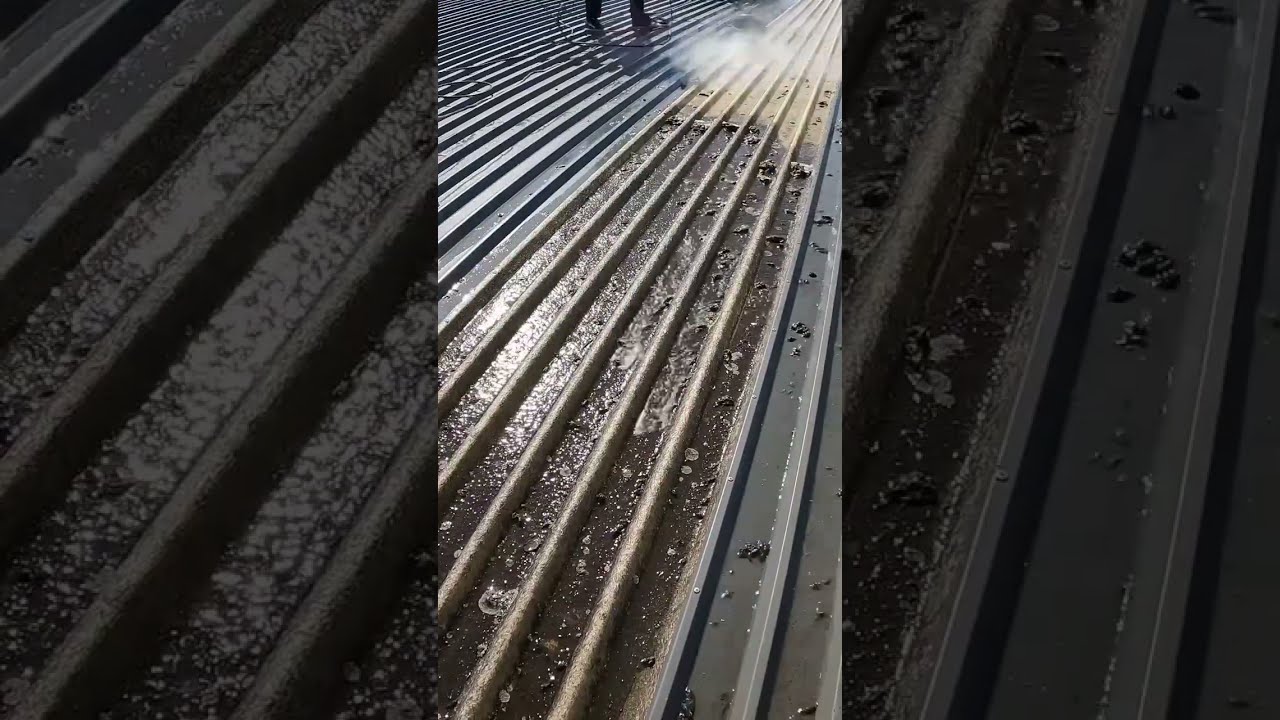
Roof cleaning also requires an assessment of roof material, condition, access and fall risks. High-pressure cleaning can https://pressurecleaningbayside.com.au/solar-panel-cleaning/ damage some roofing products or force water where it should not go. Never use high-pressure water cleaning on asbestos-containing materials. If asbestos is suspected, stop and seek appropriate specialist advice.
Consider Overspray, Runoff and Shared Access
Noise is only one part of being a good Bayside neighbour. Spray drifting onto washing, cars, open windows or outdoor furniture can cause just as much frustration. Check the boundary before work starts and adjust the method if wind makes overspray difficult to control.
Cleaning wastewater can contain sediment, detergents, oil and other contaminants. Stormwater drains are not a disposal route for polluted wash water. Plan suitable containment, collection or lawful disposal before cleaning, especially on sloping driveways that lead towards street gutters.
Keep hoses and equipment out of shared access routes wherever possible. Where a temporary obstruction is unavoidable, agree on arrangements beforehand and maintain safe access. These details matter particularly on compact properties and shared driveways.
What to Ask a Pressure Cleaning Contractor
A responsible contractor should discuss neighbour impacts alongside the cleaning result. Before booking, ask a few practical questions:
- What time will the noisy equipment start, and how long is it expected to run?
- What equipment and cleaning method suit these surfaces?
- Where will the machine sit, and can it be positioned away from neighbouring windows?
- How will overspray, wastewater and shared access be managed?
- Who should neighbours contact if an issue arises during the work?
Look for clear, realistic answers rather than a promise of completely silent pressure cleaning. Confirm the scope, access arrangements and relevant insurance before work begins.

Respond Calmly if Someone Raises a Concern
If a neighbour complains during the job, pause when it is safe and listen. The issue may be straightforward to resolve: moving the machine, changing the sequence of work or agreeing on a short break.
If you are affected by someone else’s cleaning noise, a polite conversation is often the best first step. For persistent concerns, note the dates, times, duration and effect of the noise, then seek guidance from the relevant council. Avoid assuming that every audible cleaning job breaches the rules.
A Cleaner Property Without Unnecessary Disruption
Considerate power washing combines sensible scheduling, suitable equipment and good communication. Across Melbourne Bayside, respecting noise restrictions is the starting point; reducing unnecessary disturbance is what makes the difference.
Plan ahead, keep noisy work efficient and protect neighbouring properties from spray and runoff. You can maintain your home’s exterior while keeping everyday life next door as comfortable as possible.
Bayside Pressure Cleaning Pros
Unit 3/3-5 Arnold St, Cheltenham VIC 3192
ph. (03) 4517 6380